
Oral Surgery for Fishers, IN


At Mouchaham Dentistry, we know oral surgery usually comes up because something has started to interrupt normal life. A tooth keeps flaring up. A wisdom tooth is sore again. There is swelling that was not there yesterday. Or maybe there was a referral, but the next step still feels a little unclear.
Our Carmel team helps patients from Fishers understand what is happening and what may need to happen next. Sometimes it means watching the area, providing alternative treatment first so that final decisions do not have to be made urgently. Patients from Fishers and nearby communities can visit our Carmel office for oral surgery consultations and treatment.

What Happens at the First Oral Surgery Visit
The first visit is usually more of a planning visit than a treatment visit.
We start with digital X-rays and an exam, then look through the images together. We point out the tooth, the roots, the surrounding bone, and anything nearby that could affect treatment. It is much easier to understand a recommendation when the picture is right there in front of you.
From there, we talk through what we see. Does the tooth need to come out? Could it wait? Is there swelling or infection that changes the timing? Would another dental issue need to be handled first?
If surgery is the right next step, we explain why. If it can wait, we say that too. We do not want people feeling rushed into oral surgery before the plan is clear.
Some visits are quick. Others take more time, especially when symptoms, imaging, and future tooth replacement all need to be part of the same conversation. That is normal. We would rather sort it out carefully at the beginning.
Oral Surgery Treatment for Fishers Patients
Patients from Fishers can visit our Carmel office for several types of oral surgery, including extractions, wisdom teeth removal, bone grafting, emergency visits, and surgical planning for future tooth replacement.
Tooth extractions
Some teeth are too severely damaged, infected, cracked, or loose to be restored predictably. When that happens, removing the tooth may be the better long-term option.
Before we recommend an extraction, we explain what we see and why saving the tooth may not be realistic. We also talk about healing, what the first few days may feel like, and whether replacing the tooth needs to be part of the bigger plan.
Wisdom teeth removal
Wisdom teeth do not always need to be removed. We look at their position, symptoms, gum tissue, nearby teeth, and what the X-rays show.
If removal makes sense, we explain the timing and what the procedure would involve. A wisdom tooth that is angled under the gum is different from one that has fully come in and cleans easily. Small difference on paper. Big difference when planning treatment.
Bone grafting
Bone grafting may be recommended after certain extractions or when more support is needed in an area when considering replacement options.
The reason depends on the tooth, the surrounding bone, and what may come next. If a dental implant could be part of the future plan, preserving bone in that spot may matter. We talk about that before treatment.
Emergency oral surgery
Some dental problems need attention sooner, especially when there is swelling, infection, sudden pain, or a tooth that will not settle down.
Our team can help determine the next available step. Sometimes the first visit is about calming the area down. Sometimes extraction or another procedure may be needed. We explain what is appropriate after we see what is actually happening.
Surgical planning for future tooth replacement
Some oral surgery visits are one step in a larger plan. A tooth may need to be removed, but the next question is what happens after it heals.
When future tooth replacement is part of the conversation, we explain what needs to heal first, what may come next, and how timing affects the final result. This is especially important when dental implants, bone grafting, or restorative treatment may be involved.
Our Carmel office, a short drive from Fishers
Mouchaham Dentistry is located in Carmel, a short drive from Fishers for consultations, treatment visits, and follow-up appointments.
Keeping treatment in one office can make the process easier to follow. Imaging, planning, surgery, and follow-up can often happen with the same team, so there are fewer loose ends and fewer repeated explanations.
Have questions about oral surgery?
If you are dealing with pain, swelling, a wisdom tooth, or a tooth that may need to come out, we can take a look and explain what is happening.
The first step is not always surgery. Sometimes the first step is simply getting a clear answer.
Oral surgery FAQs
When is a tooth extraction the right next step?
A tooth extraction may be recommended when a tooth is badly damaged, infected, loose, cracked, or no longer predictable to restore.
We look at the tooth, the surrounding bone, the gums, symptoms, and the long-term plan. If there is a reasonable way to save the tooth, we can talk through that. If removal is the better option, we explain why.
What happens at an oral surgery consultation?
An oral surgery consultation usually includes an exam, digital imaging, and a conversation about what is going on.
We review what can wait, what may need attention sooner, and what treatment would involve if surgery is recommended. We also talk through timing, healing, and any follow-up visits that may be needed.
Are wisdom teeth always removed?
No. Wisdom teeth are removed when they are causing problems or when their position creates a real concern.
Pain, swelling, infection, crowding, damage to nearby teeth, and trapped gum tissue can all be reasons to consider removal. If the wisdom teeth are not causing an active issue, we use the exam and X-rays to decide what makes sense.
Is bone grafting always needed after an extraction?
Not always.
Some extraction sites heal well on their own. Others may need grafting to help preserve bone, especially if a dental implant could be part of the future plan. The tooth location, bone condition, and long-term goals all affect that decision.
Do you offer sedation for oral surgery?
Sedation options may be discussed when they are appropriate for the procedure and the patient.
At the consultation, we explain what is available, what it helps with, and whether it would make sense for the planned treatment. Some people want the appointment to feel easier to manage. Others do well with local anesthetic. We talk through it before anything is scheduled.
How long does recovery take after oral surgery?
Recovery depends on the procedure, the condition being treated, and how the body heals.
A simple extraction is different from surgical wisdom tooth removal or a grafting procedure. Before treatment, we go over what the first few days may look like, what foods to stick with, how to clean the area, and when to call us if something does not feel right.
Meet your dentists
Oral surgery at Mouchaham Dentistry is handled at our Carmel office by Dr. Laura E. Mouchaham and Dr. Nicholas G. Mouchaham. Patients from Fishers can come here to discuss extractions, wisdom teeth, bone grafting, and other surgical concerns without trying to piece the process together across several offices.
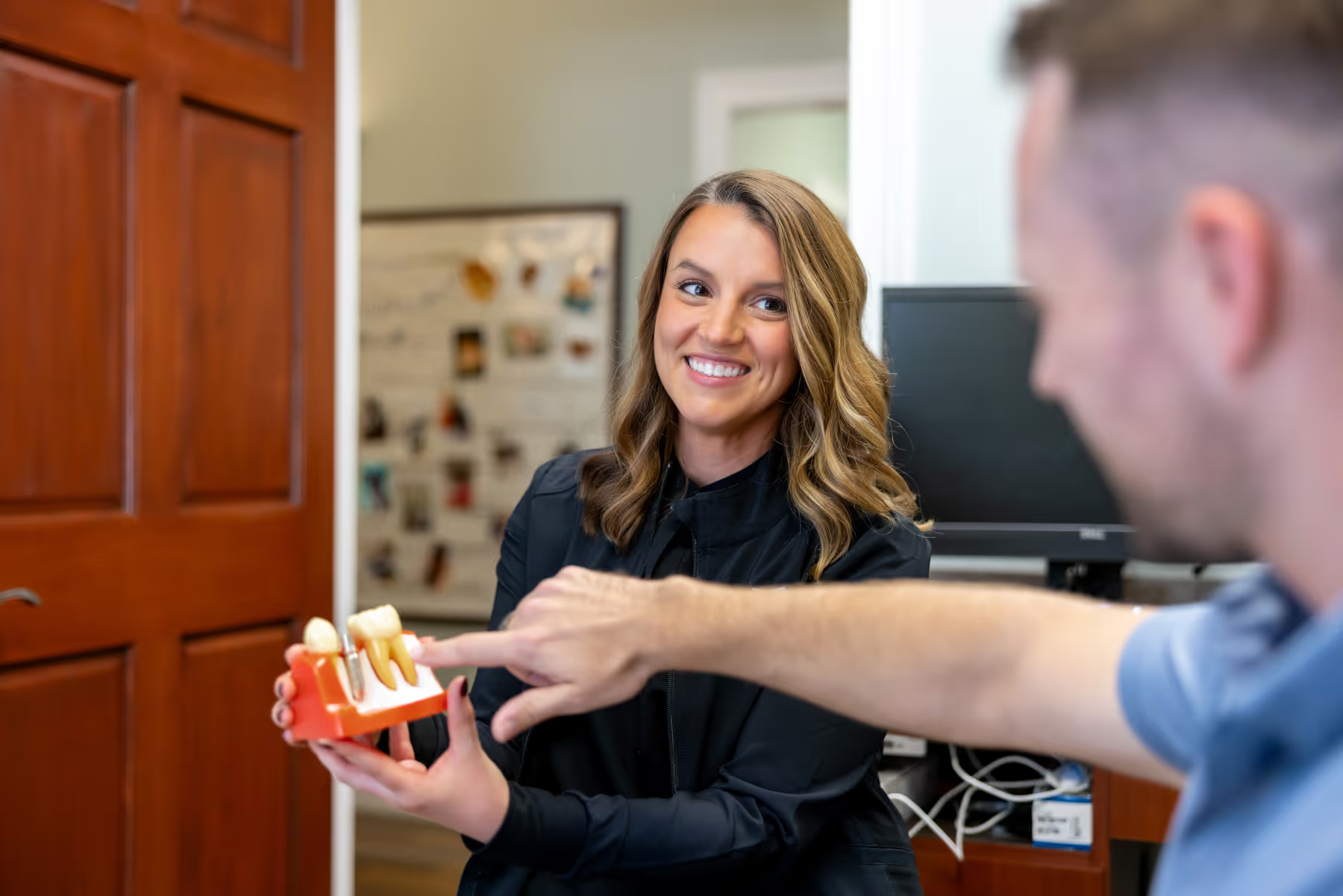
Dr. Laura E. Mouchaham
Dr. Laura Mouchaham has advanced training in oral surgery, dental implants, and IV conscious sedation. That experience is especially relevant when treatment involves extractions, grafting, sedation, or a more involved surgical plan.
Her style is calm and straightforward. She explains what needs to happen, what can wait, and what the appointment may feel like before treatment begins.
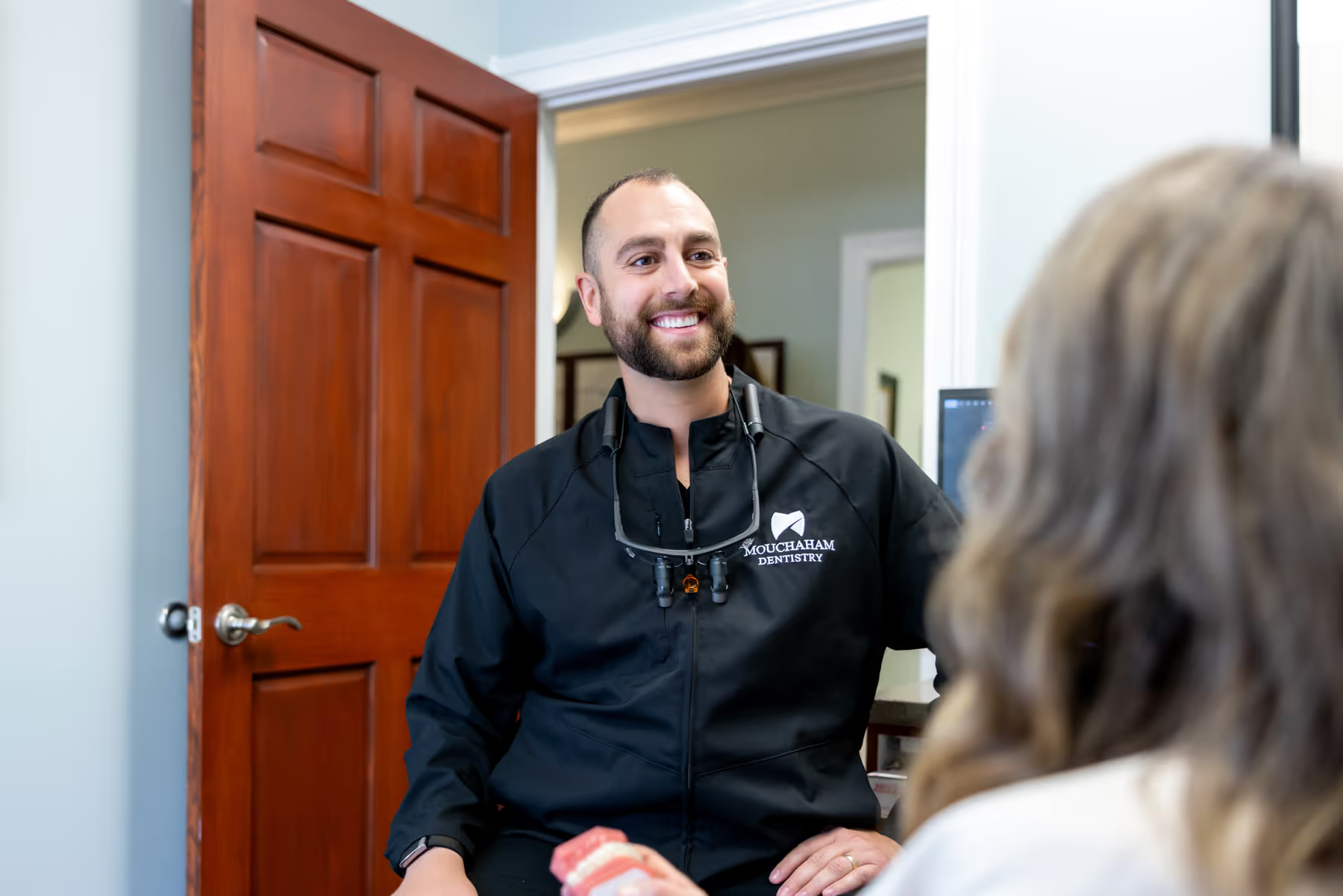
Dr. Nicholas G. Mouchaham
Dr. Nick Mouchaham brings a detailed approach to treatment planning and communication.
His background in cosmetic and restorative dentistry is helpful when oral surgery is one part of a larger plan. If a tooth needs to come out, the next question is often what happens afterward. He keeps that next phase in mind from the beginning.
Schedule your oral surgery consultation
If you are dealing with tooth pain, swelling, wisdom tooth trouble, or a tooth that may need to be removed, Mouchaham Dentistry can help you understand what is going on and what options may make sense.
Patients from Fishers can visit our Carmel office for oral surgery consultations, treatment planning, and follow-up with the same team.
Call to schedule a consultation or book online.