
Invisalign in Fishers, IN
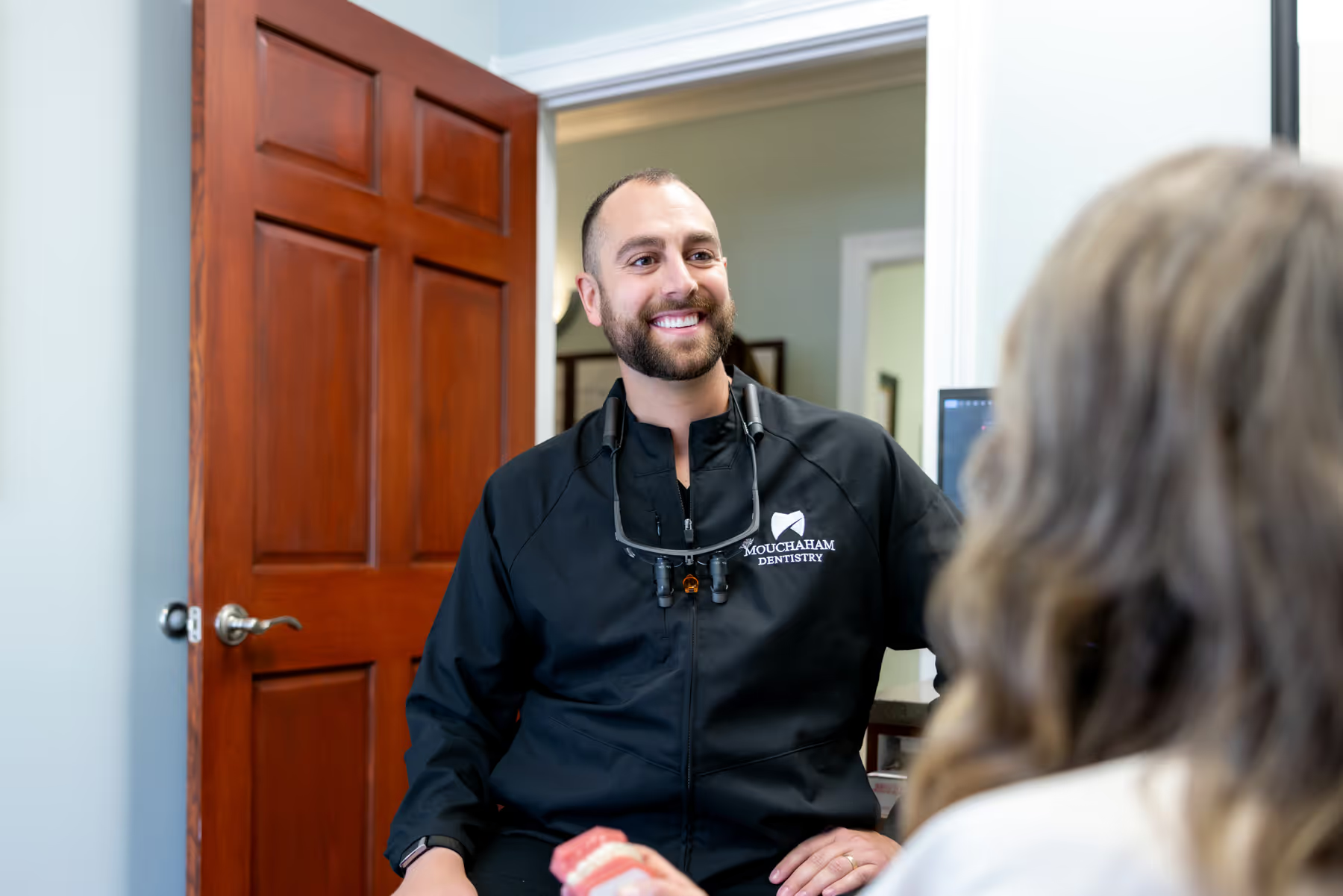

At Mouchaham Dentistry, we know straightening teeth is not only about liking your smile in photos. The way teeth line up can affect the bite, cleaning, comfort, and the little things people notice during the day, like a crowded lower tooth catching floss or a front tooth that has shifted since braces.
For patients from Fishers, our Carmel office offers Invisalign treatment with digital scans, careful planning, and check-ins along the way. Invisalign can be a practical option for adults or teens who want to straighten their teeth without brackets and wires.
The first visit gives us a chance to look at the teeth, talk through what has shifted or felt uneven, and explain what may be realistic before anyone decides to start.
What the first Invisalign visit is like
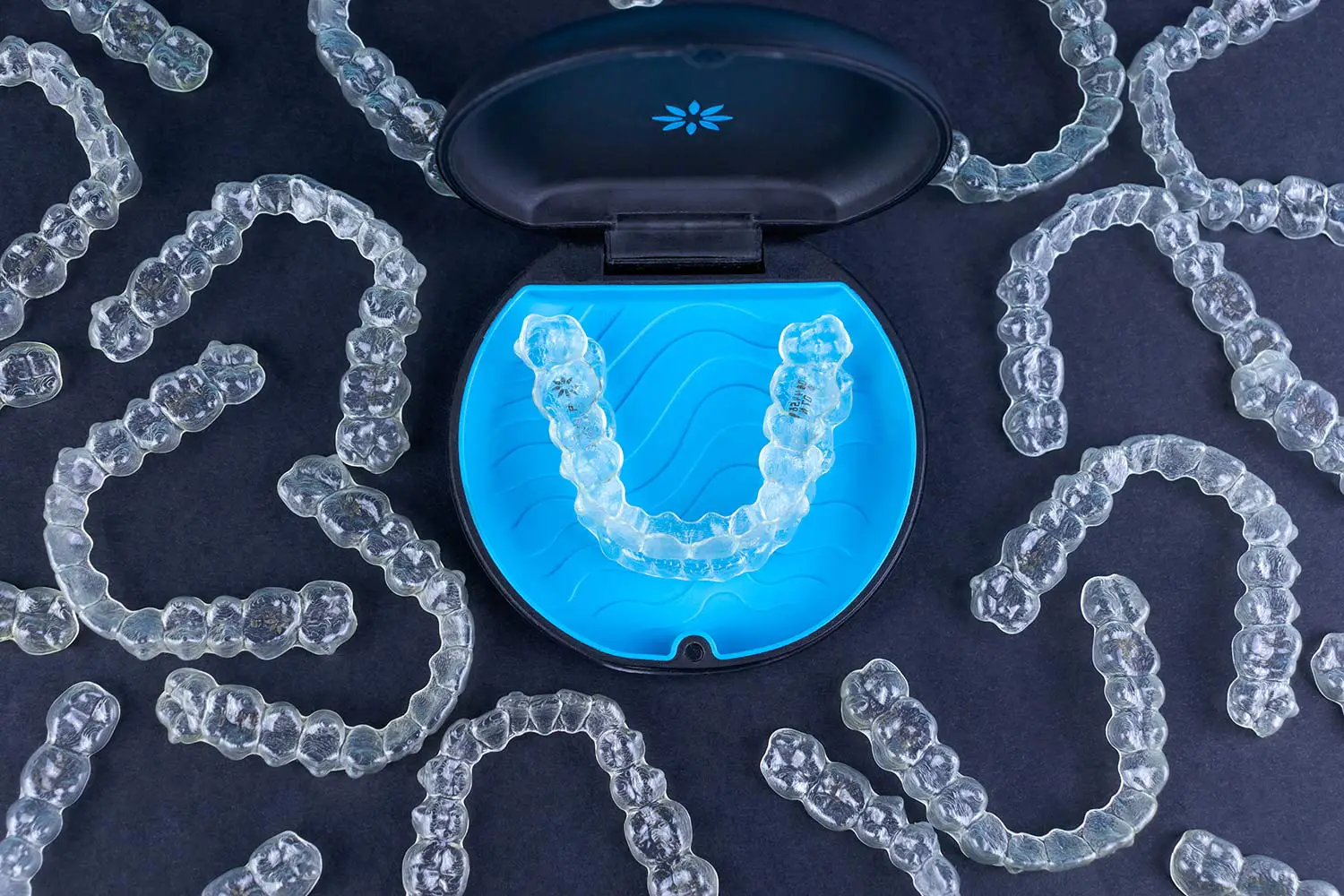
The first Invisalign visit is mostly conversation, an exam, and digital scans.
We start by talking through what has been bothering you. Crowding. Spacing. A bite that feels off. Teeth that moved after braces years ago. From there, we look at how the teeth fit together and whether Invisalign would make sense for the type of movement needed.
We use digital scans instead of traditional impressions. No putty trays, which is a relief for a lot of people. The scan helps us see the teeth more clearly and talk through how they may move over time, so the plan feels more concrete than a quick “yes, aligners could work.”
During the visit, we usually go over:
- How simple or involved the case looks
- What kind of timeline may be realistic
- Whether attachments may be part of treatment
- How often follow-up visits may be needed
- What aligner wear would look like during meals, work, school, and regular routines
If Invisalign is not the right fit, we say that directly. Some cases need a different approach. Better to know that at the beginning.
Invisalign treatment for Fishers patients
Patients from Fishers can visit our Carmel office for Invisalign consultations, digital scans, aligner checks, and follow-up visits. Treatment is planned around the teeth, the bite, and the way aligners would fit into real life.
Invisalign for adults
Adults often ask about Invisalign when they want straighter teeth without the look of brackets and wires. Sometimes the issue is crowding or spacing. Sometimes the teeth shifted after braces, and the bite just does not feel quite the same anymore.
We look at what needs to move, how predictable that movement may be, and whether Invisalign fits the person’s schedule and habits. That last part matters. Aligners only work when they are worn.
Invisalign for teens
Invisalign can work well for teens when the case is appropriate and the aligners are worn consistently.
We talk through school, sports, meals, instruments, retainers, and the normal stuff that can make treatment easier or harder. A teen who forgets trays at lunch every other day may need a different conversation than one who is ready for the routine. Not a judgment, just part of planning.
Invisalign after braces
Teeth can shift over time, even after braces. It may happen slowly at first, then one day the lower teeth look crowded again or a space starts to show.
Invisalign may be an option for correcting relapse without repeating the full braces experience. We still need to look at the bite and the amount of movement needed before recommending it.
Refinements during treatment
Teeth do not always move exactly the way a digital plan predicts. That is normal.
When adjustments are needed, refinements may be part of the process. We may take another scan and order additional aligners to fine-tune the result. We like to explain that upfront because Invisalign is planned carefully, but teeth are still living things. They do not always follow the software perfectly.
What Invisalign looks like week to week
Invisalign is simple in concept. The routine takes some getting used to.
The aligners stay in most of the day and come out for meals, brushing, and flossing. Then they go back in. It sounds small, but wear time is one of the biggest parts of whether the trays track properly. A few skipped hours here and there can add up.
Trays are changed on the schedule we set for the case. Some people feel more pressure at the beginning of a new tray. Attachments, when needed, are small tooth-colored shapes placed on certain teeth to help the aligners grip and guide movement.
They may stand out to the person wearing them more than they do to anyone else. The tongue notices everything first. A tiny edge, a new attachment, a tray that feels snug. Most of that becomes familiar after a little time.
Follow-up visits help us check progress and see whether anything needs to be adjusted before the next phase of treatment.

What Invisalign can and cannot do
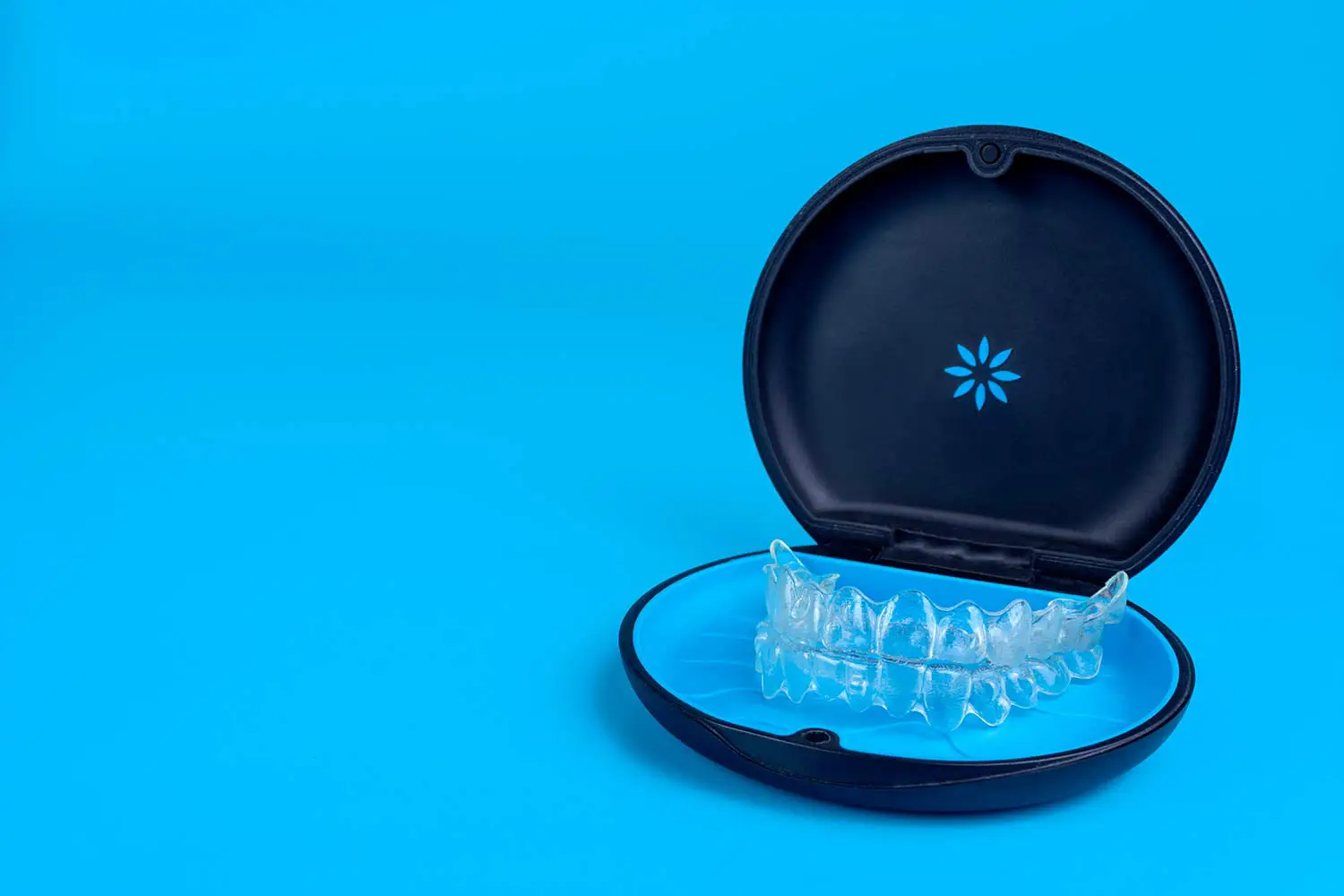
Invisalign can work well for many cases of crowding, spacing, and certain bite issues. It can also be a good option when teeth have shifted after earlier orthodontic treatment.
Still, it is not the right answer for every case.
Some tooth movements are more predictable with braces or another approach. Some cases take longer than expected. Some people decide removable aligners are not a good fit for their daily routine, and that is fair too.
We talk through those details during the consultation so the plan feels realistic from the beginning.
Have questions about Invisalign?
If you want to know whether Invisalign makes sense for your teeth, we can look at the bite, talk through the timeline, and explain what treatment may involve.
Patients from Fishers can visit our Carmel office for an Invisalign consultation and digital scan.
Meet your dentists
Invisalign treatment at Mouchaham Dentistry is overseen by Dr. Nicholas G. Mouchaham and Dr. Laura E. Mouchaham at our Carmel office. Patients from Fishers come here for clear aligner treatment planned with digital scans, realistic timelines, and regular check-ins.
Dr. Nicholas G. Mouchaham
Dr. Nick Mouchaham has advanced training in Invisalign clear aligner therapy, cosmetic smile design, and veneers. His interest in orthodontics started with his own braces experience, which shaped how he thinks about smile changes now, including function, appearance, and what will feel worth it in everyday life.
He also teaches part-time in the clinics at Indiana University School of Dentistry.
Dr. Laura E. Mouchaham
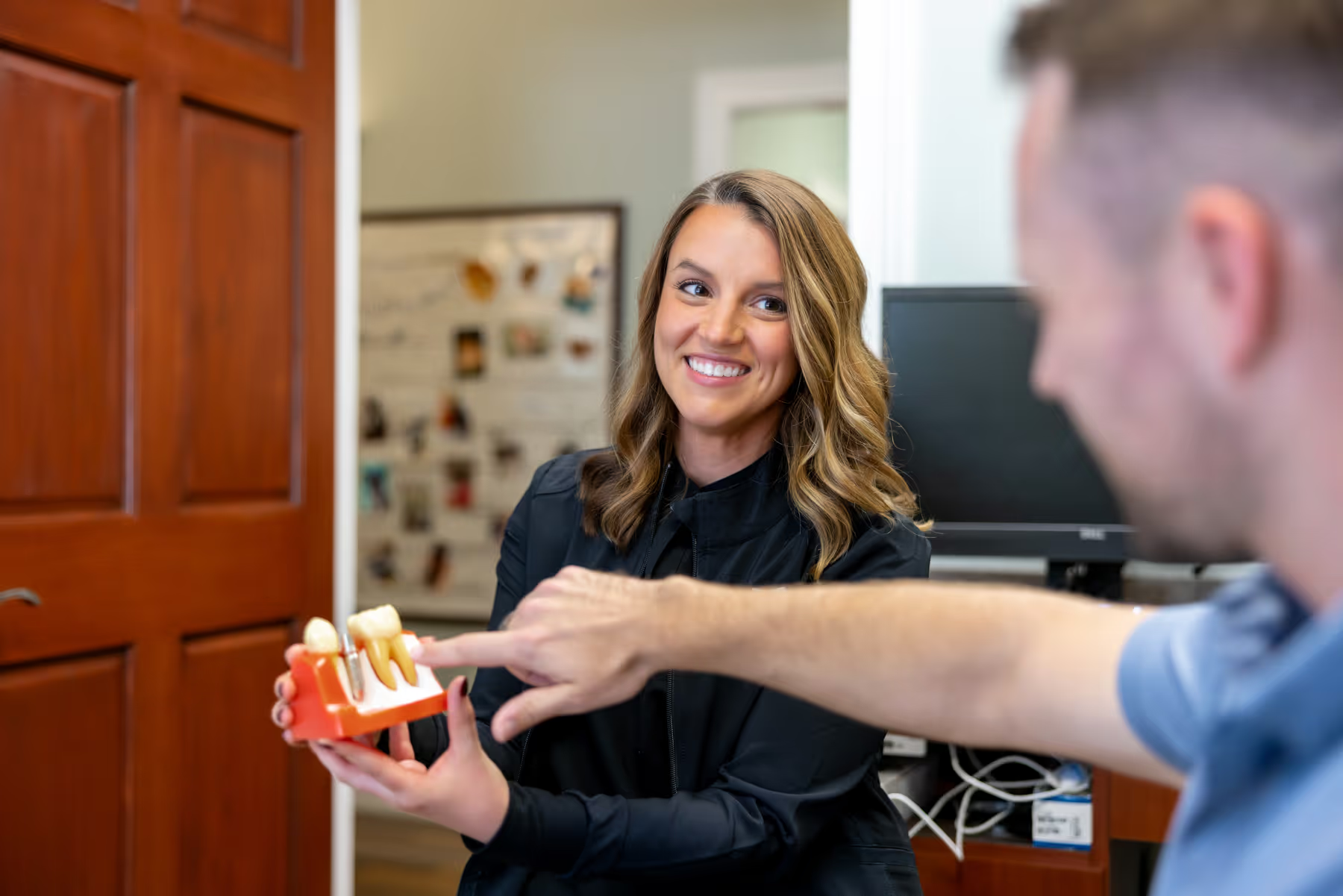
Dr. Laura Mouchaham brings experience in general and advanced dentistry, with additional training in dental implants, oral surgery, and IV conscious sedation.
For Invisalign patients, that broader background helps when treatment planning needs to account for bite function, older dental work, missing teeth, or the bigger picture of how everything fits together. Her style is calm and straightforward, especially when a treatment plan has a few moving parts.
Invisalign near Fishers and Indianapolis
Mouchaham Dentistry’s Carmel office is convenient for patients coming from Fishers and other nearby areas north of Indianapolis.
That matters with Invisalign because treatment includes scans, follow-up visits, and progress checks. The appointments are usually not complicated, but they still need to fit into a normal week.
Invisalign FAQs
How long does Invisalign usually take?
Treatment length depends on how much movement is needed and how consistently the aligners are worn. Some cases are shorter. Others take longer, especially when the bite needs more correction or refinements are needed along the way. A consultation and digital scan can give a more realistic estimate than a general average.
Does Invisalign hurt?
Invisalign usually feels more like pressure than pain, especially when switching to a new tray. That pressure is part of how the aligners move the teeth. It usually settles as the mouth adjusts. If something feels sharp, uneven, or wrong, we want to know.
Can I eat normally with Invisalign?
Yes. The aligners come out for meals and drinks other than water. Before putting them back in, brushing is best when possible. At minimum, the teeth should be clean enough that food and sugar are not trapped under the trays. Coffee habits, snack habits, lunch at school or work, those details matter more than people expect.
What happens if I forget to wear my aligners?
Missing time can affect how well the trays fit and how the teeth move. That does not always mean treatment is ruined, but it is something to bring up honestly during check-ins. If a tray feels too tight or stops fitting well, we may need to adjust the plan.
Will attachments be visible?
Attachments are small and tooth-colored, but they can still be noticeable depending on where they are placed. If attachments are likely, we talk about that before treatment starts. They are temporary and are removed when they are no longer needed.
Is Invisalign always better than braces?
No. Invisalign is a good fit for some cases, but not every case. The better option depends on the kind of tooth movement needed, how complex the bite is, and whether aligners are likely to be worn consistently. We would rather recommend the right tool than force every case into Invisalign.
Schedule your Invisalign consultation
If you are thinking about Invisalign, we can take a look, scan your teeth, and talk through what may be realistic.
Patients from Fishers can visit Mouchaham Dentistry in Carmel for Invisalign treatment planned with digital scans and regular follow-up visits.
Call to schedule a consultation or book online.