
Dental Implants in Fishers, IN
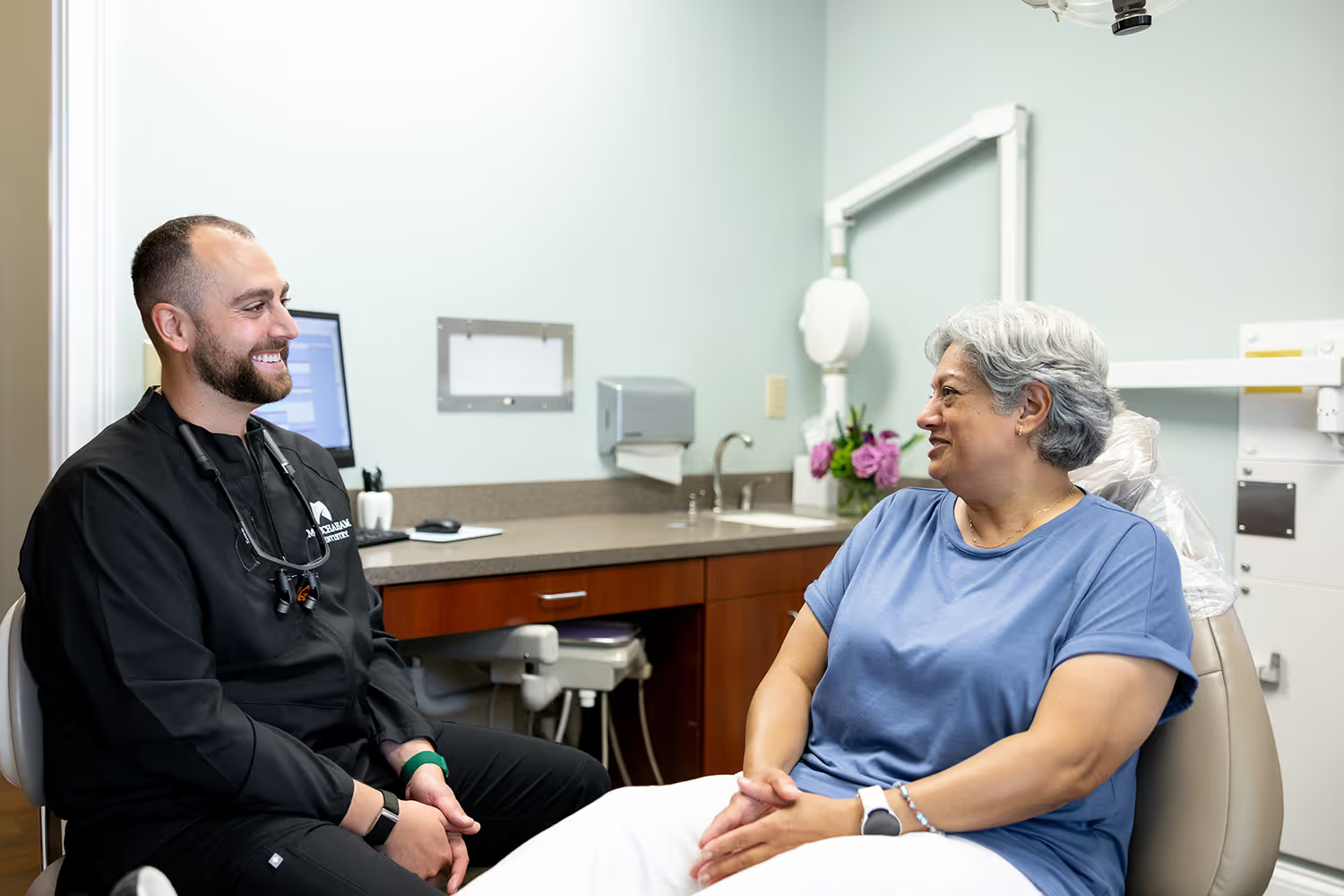
At Mouchaham Dentistry, we believe replacing a missing tooth should feel clear, steady, and carefully planned from the beginning. A missing tooth can change small parts of the day, chewing on the other side, pausing before smiling, avoiding something crunchy because it is not worth the trouble.
For patients from Fishers, our Carmel dental office offers dental implant treatment planned, placed, and restored by our team in one familiar place. We use 3D CBCT imaging to look closely at the bone, spacing, bite, and nearby anatomy before treatment begins. That gives us a better view of what is actually happening below the gums, not just what can be seen during an exam.
What are dental implants?
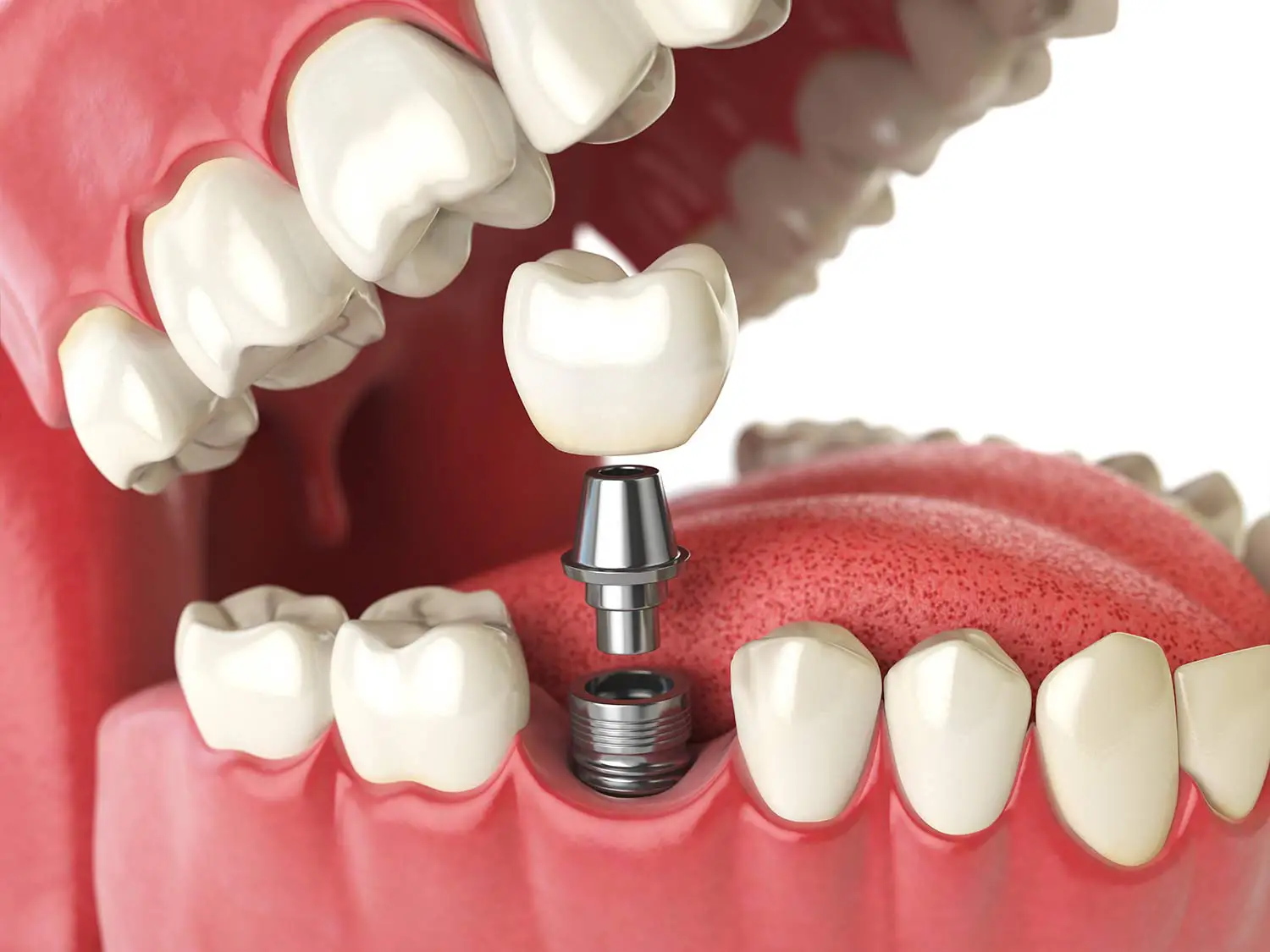
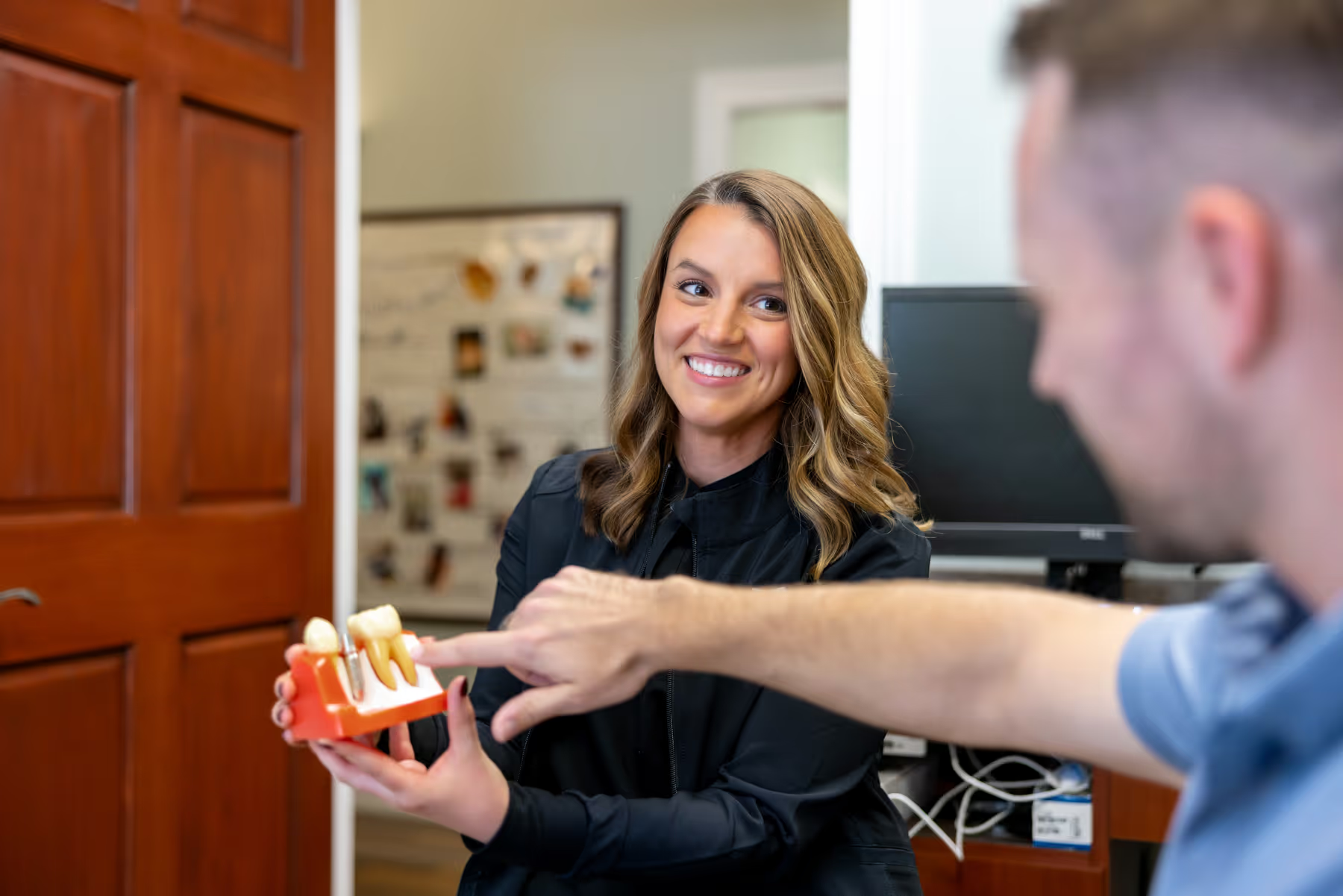
A dental implant replaces the root of a missing tooth. Not just the part that shows when someone smiles.
The implant is placed in the jawbone, where it heals and becomes stable over time. Once healing is complete, it can support a crown, bridge, or larger restoration, depending on how many teeth are missing and what the mouth needs.
At Mouchaham Dentistry, we plan implant treatment before anything is scheduled. We look at bone levels, gum health, spacing, bite forces, and the final tooth or teeth that will sit on top. That part matters. A dental implant has to work with the rest of the mouth, not just fill an empty space.
Once the implant is restored, it does not come out at night or shift during meals. For many people, that is the point. Less thinking about the missing tooth. More normal chewing, talking, and getting through the day.
Why do some patients choose implants instead of a bridge or denture?
Bridges and dentures can still be good options. We talk about them when they make sense.
Implants are usually part of the conversation when someone wants a tooth replacement that stays fixed in place. They can also help preserve bone in the jaw after tooth loss and may replace a missing tooth without reshaping the healthy teeth next to it.
There are trade-offs. Implant treatment usually takes more time than a bridge. Healing is part of the process. Some cases need bone grafting, gum treatment, an extraction, or more healing time before the implant can be placed safely.
We would rather explain that at the beginning than make the process sound simpler than it is. Teeth are small, but the planning behind them can get pretty detailed.

Dental implant treatment near Fishers, IN
Patients from Fishers can visit our Carmel office for implant treatment with Dr. Laura Mouchaham and Dr. Nicholas Mouchaham. Depending on the case, treatment may involve one implant, several implants, or a larger restoration supported by implants.

Single dental implants
A single dental implant can replace one missing tooth without changing the healthy teeth beside it. After the implant heals, we attach a custom crown to complete the restoration.
Implant-supported bridges
Implant-supported dentures attach more securely than traditional removable dentures. They are designed to reduce movement during meals and conversation.
This does not mean they feel exactly like natural teeth in every case. That would be too neat of a promise. But for someone dealing with a denture that lifts, rocks, or feels unreliable, implant support can make a noticeable difference in daily use.
Full-arch implant solutions
For patients missing most or all teeth in an arch, a full-arch implant option may support a complete set of replacement teeth using a smaller number of carefully placed implants.
This is a bigger conversation. We look at the health of the bone, the bite, the appearance of the final teeth, and how the full process would unfold. If a loose denture has been part of daily life for a while, this visit can be the first time the options feel organized instead of scattered.
Procedures that may support implant treatment
Bone grafting
Some patients need more bone support before an implant can be placed safely. When that happens, we may recommend bone grafting to rebuild the area first.
It can feel frustrating to hear that another step is needed. We get that. But bone is the foundation for the implant. If the foundation is too thin or too soft in the wrong area, placing the implant too soon would not be the right move.
We explain where the bone is lacking, why it matters, and how grafting would affect the timeline.
Talk with our office about dental implants
Patients from Fishers can visit Mouchaham Dentistry in Carmel to talk through dental implant options, review what is clinically appropriate, and understand the process before making a decision.
No pressure to commit that day. The first step is getting the facts straight.
Meet your dentists
Dental implant treatment at Mouchaham Dentistry is planned at our Carmel office by Dr. Laura E. Mouchaham and Dr. Nicholas G. Mouchaham. Patients from Fishers can talk through missing teeth, implant planning, and long-term treatment options with the same team from the first conversation through the final restoration.
Dr. Nicholas G. Mouchaham
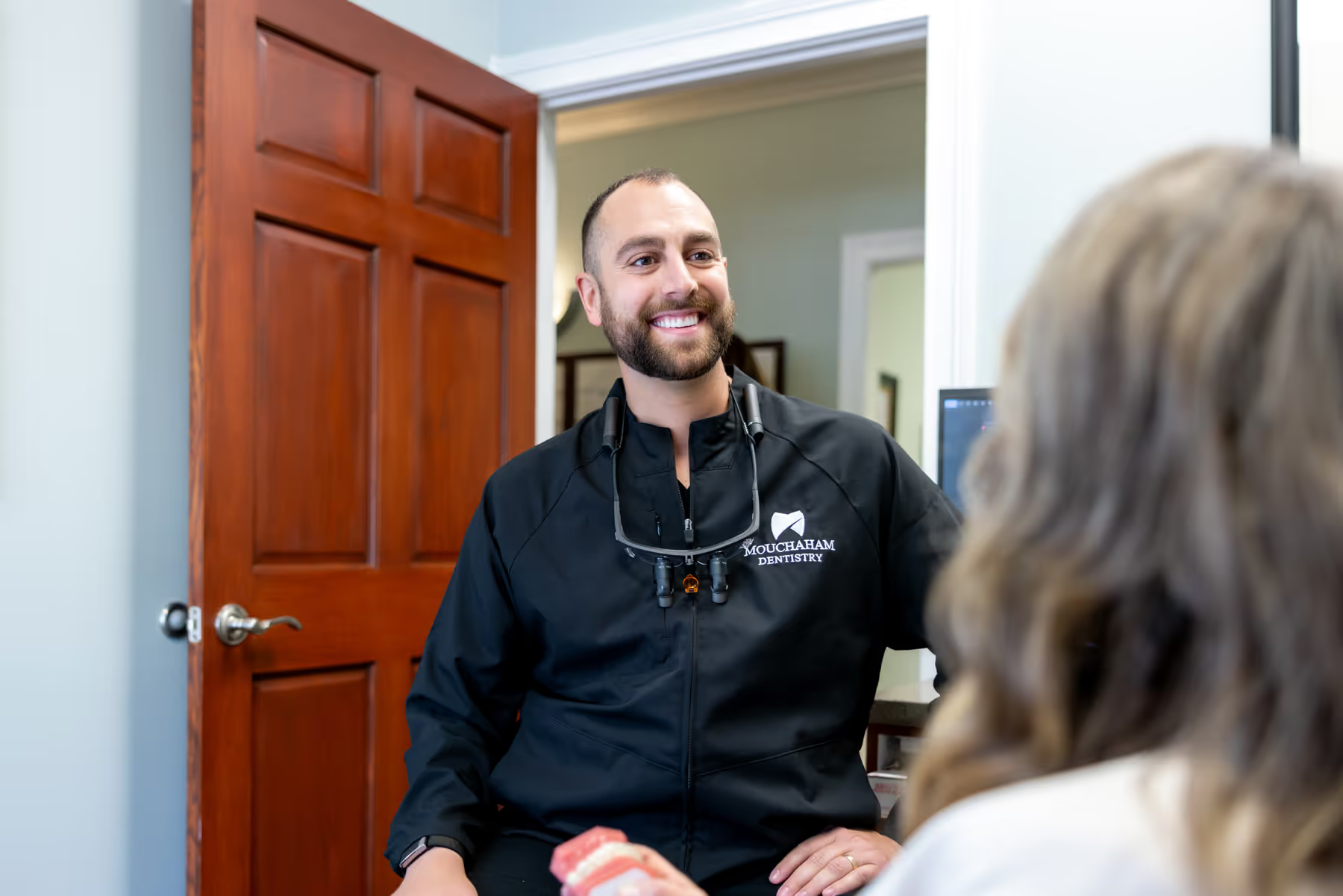
Dr. Nick Mouchaham brings experience in cosmetic smile design and restorative planning. That can be especially helpful when implant treatment affects how the final smile looks, feels, and functions.
He pays attention to the details that make a restored tooth look like it belongs there, shade, shape, bite, spacing, and how the tooth sits next to everything around it.
Dr. Laura E. Mouchaham
Dr. Laura Mouchaham has additional training in dental implants, oral surgery, and IV conscious sedation. That background is helpful in implant cases that involve tooth extractions, bone support, healing time, or a more involved surgical appointment.
Her approach is calm and practical. She looks at the full picture first, then explains what would need to happen and why.
Dental Implants FAQs
What happens at the first implant visit?
The first visit is usually a planning visit, not a treatment day.
We review imaging, talk through dental and medical history, and look at what has been causing trouble day to day. It might be one missing tooth that has started to affect the bite. It might be a denture that feels less dependable than it used to.
If implants are a good option, we explain what would need to happen first, what could happen next, and how the timeline may look. Some cases move in a fairly direct order. Others need grafting, gum treatment, an extraction, or more healing time before placement makes sense.
This is where the process usually becomes clearer. Not rushed. Just mapped out.
If surgery is part of the plan, IV sedation is available for patients who want the appointment to feel easier to manage.
Am I a candidate for dental implants?
Dental implants may be a good fit when one or more teeth are missing and there is enough bone and gum support for the implant to heal properly.
We also look at overall health, medications, smoking habits, bite forces, and signs of active gum disease. Those details can affect timing. In some cases, the best first step is not placing the implant right away. It may be treating the gums, rebuilding bone, or giving an extraction site time to heal.
Patients who were told years ago that implants were not possible may still benefit from a new evaluation with updated imaging. The answer is not always yes on day one. Sometimes it is yes, but in stages.
What happens if I do nothing about a missing tooth?
A missing tooth does not always cause an immediate problem, but the space can change over time.
Nearby teeth may drift. The bite may shift. Bone in the area can shrink because it no longer has a tooth root to support. If several teeth are missing, chewing may become more limited, and the remaining teeth may carry extra pressure.
That does not mean every missing tooth needs an implant immediately. It does mean the area is worth checking before the solution becomes more involved.
How long does the implant process take?
The timeline depends on the condition of the bone and gums, the number of teeth being replaced, and the type of restoration planned.
Some cases move through treatment in a straightforward sequence. Others need an earlier phase, such as extraction healing or bone grafting, before implant placement. After the implant is placed, healing time is needed before the final crown, bridge, or denture is attached.
At the consultation, we can give a timeline based on the actual case rather than a generic estimate.
Are dental implants painful?
The area is numbed thoroughly before implant treatment begins. For patients who feel nervous about the surgical part, IV sedation may also be available.
Afterward, soreness, swelling, or tenderness can happen for a few days. We review what to expect before the appointment, including how to keep the area clean, what foods to avoid at first, and when to call us if something does not feel right.
How long do dental implants last?
The implant itself is designed for long-term function and may last for decades with good maintenance. The crown, bridge, or denture attached to the implant can wear over time and may eventually need repair or replacement.
Home brushing, regular dental visits, gum health, and bite pressure all matter. Implants are strong, but they still need maintenance, a little like a well-built fence post. The post may be solid, but the ground around it still needs attention.
Are dental implants a good option for older adults?
Often, yes. Age by itself does not rule someone out.
We look more closely at overall health, healing ability, bone support, medications, and whether the treatment plan fits the person’s goals. Adults in their 60s, 70s, or older may still be good candidates for implants, depending on the full picture.
How much do dental implants cost?
The cost depends on the number of implants, the type of restoration, and whether additional procedures such as bone grafting are needed.
We start with an exam and imaging so we can see what the case actually requires. From there, we review the estimate clearly and talk through payment options before treatment begins.
Are dental implants painful?
The area is numbed thoroughly before implant treatment begins. For patients who feel nervous about the surgical part, IV sedation may also be available.
Afterward, soreness, swelling, or tenderness can happen for a few days. We review what to expect before the appointment, including how to keep the area clean, what foods to avoid at first, and when to call us if something does not feel right.
Schedule your dental implant consultation
Dental implants can change how a person eats, speaks, and moves through the day without constantly thinking about missing teeth. For many people, that is the real benefit. Less adjusting. Less work around the problem.
Mouchaham Dentistry sees patients from Fishers and nearby communities at our Carmel office for implant treatment planned, placed, and restored in one location. Schedule a consultation with Dr. Laura Mouchaham or Dr. Nicholas Mouchaham to review your options and talk through next steps.
Call or request an appointment online.